
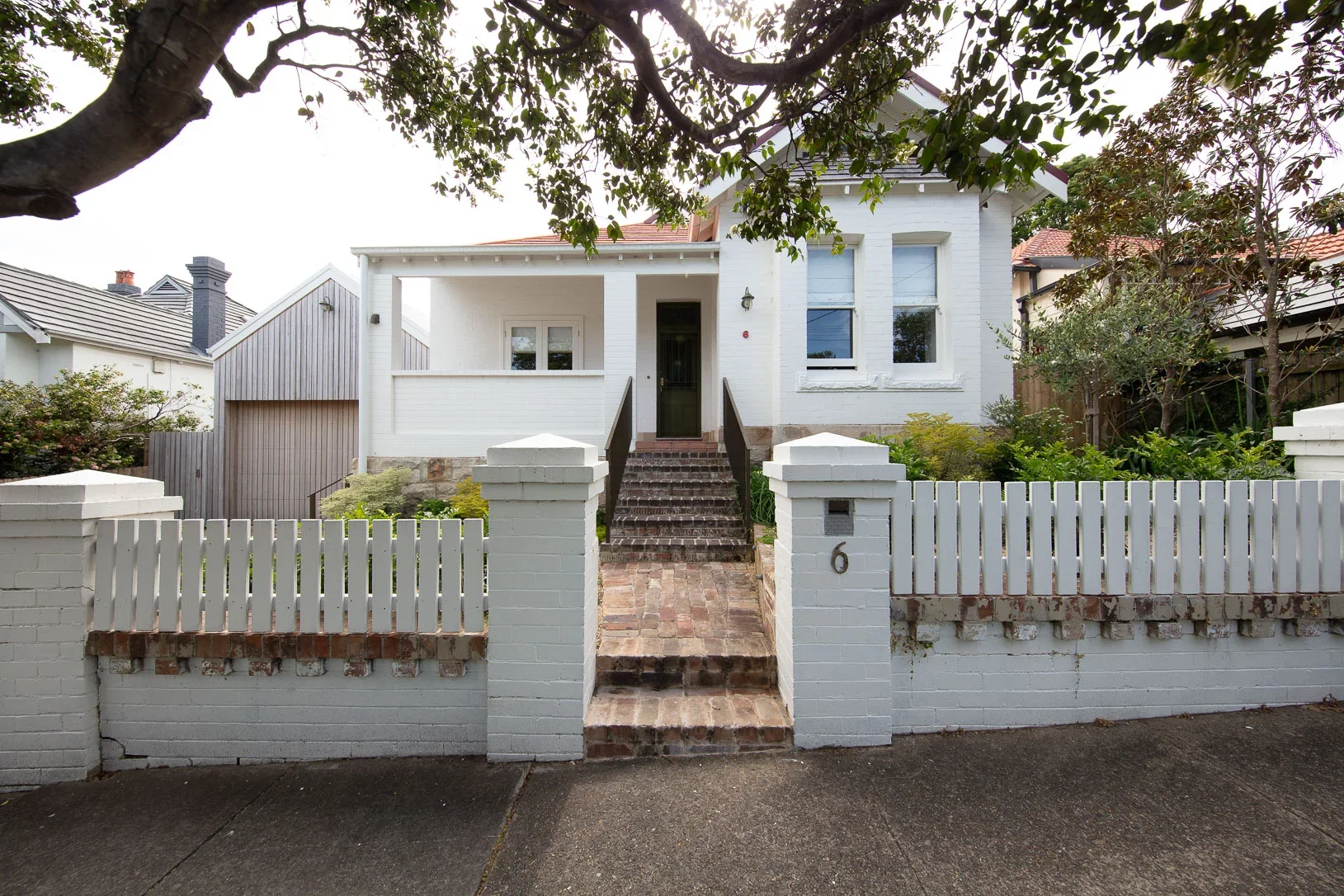
Mosman House
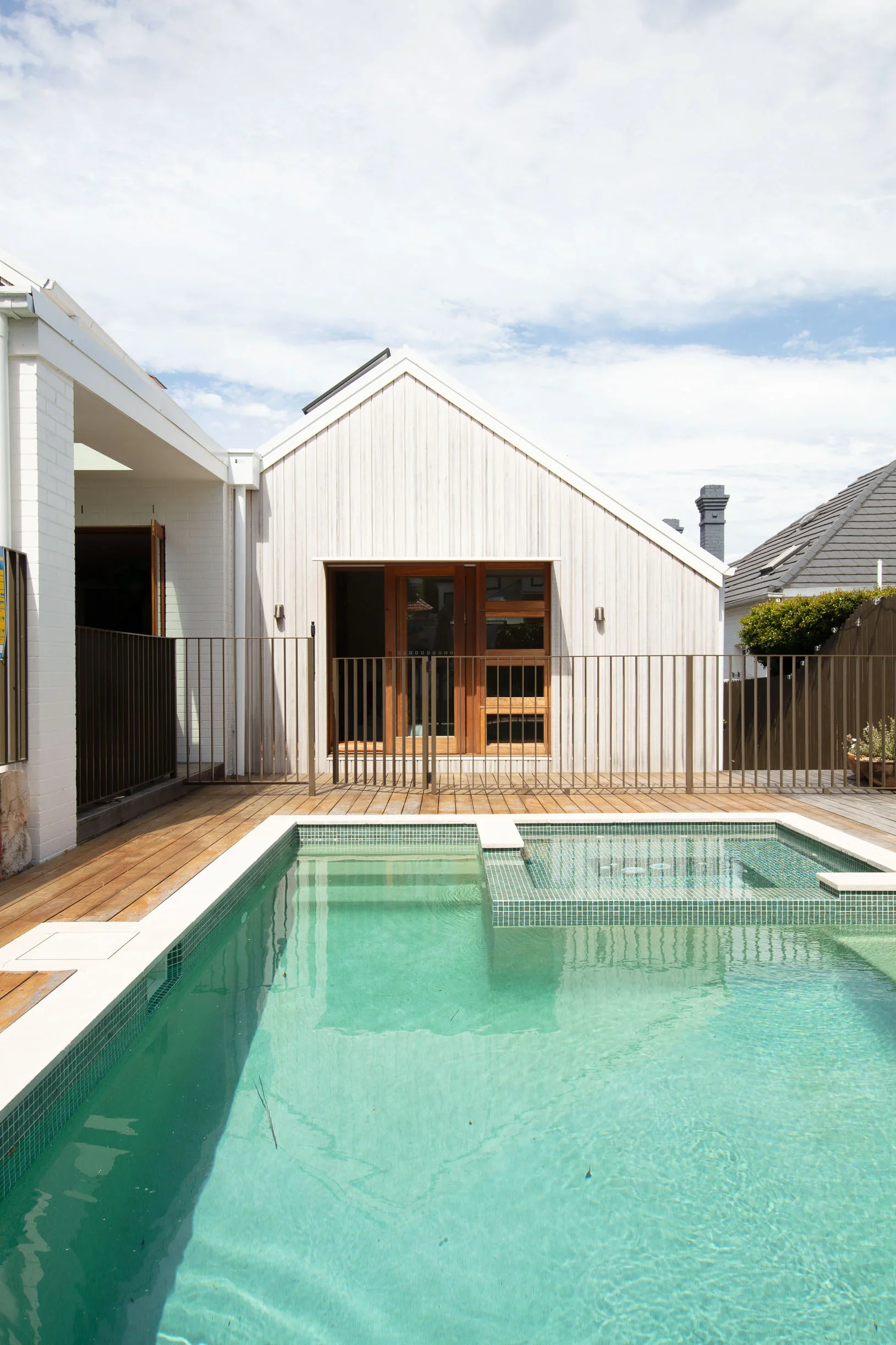
A New Chapter Written Into an Old Soul
There is an energy you feel the moment you step through the front door of this Mosman home — an energy made of life, family, memory and the beautiful imperfections that come with a house that has already lived a full story. This project was never about erasing that. Instead, it asked for something more thoughtful: to honour what was here, to build upon it, and to carefully add another chapter to the life of a very loved family home.
From the outset, the clients made it clear that this was not a blank canvas. The existing house carried history, patina and personality — qualities we wanted to protect. The design approach became one of gentle augmentation: retaining the soul of the original while crafting spaces that would support the next decades of family life.
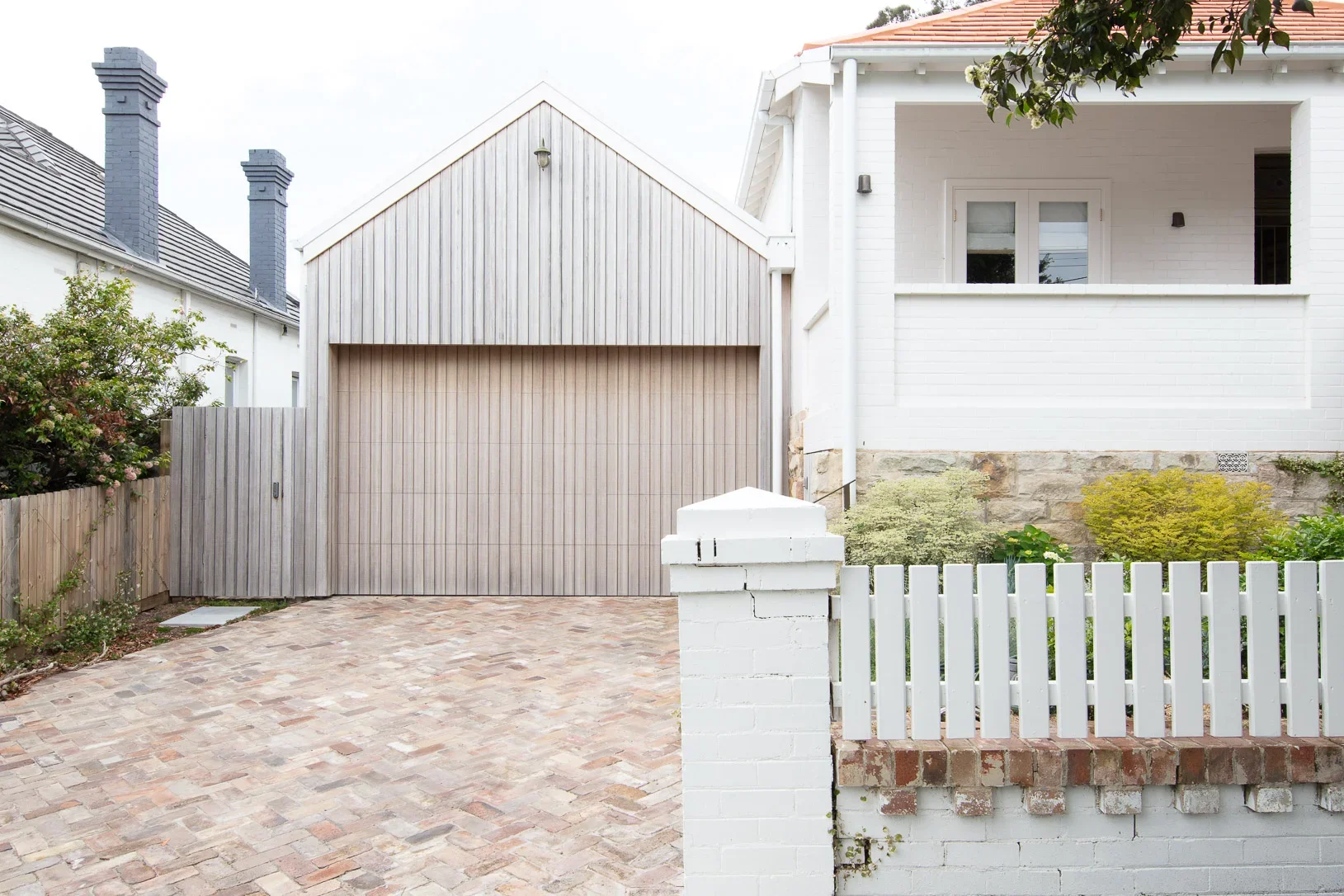
Extending the Rhythm of the Original Home
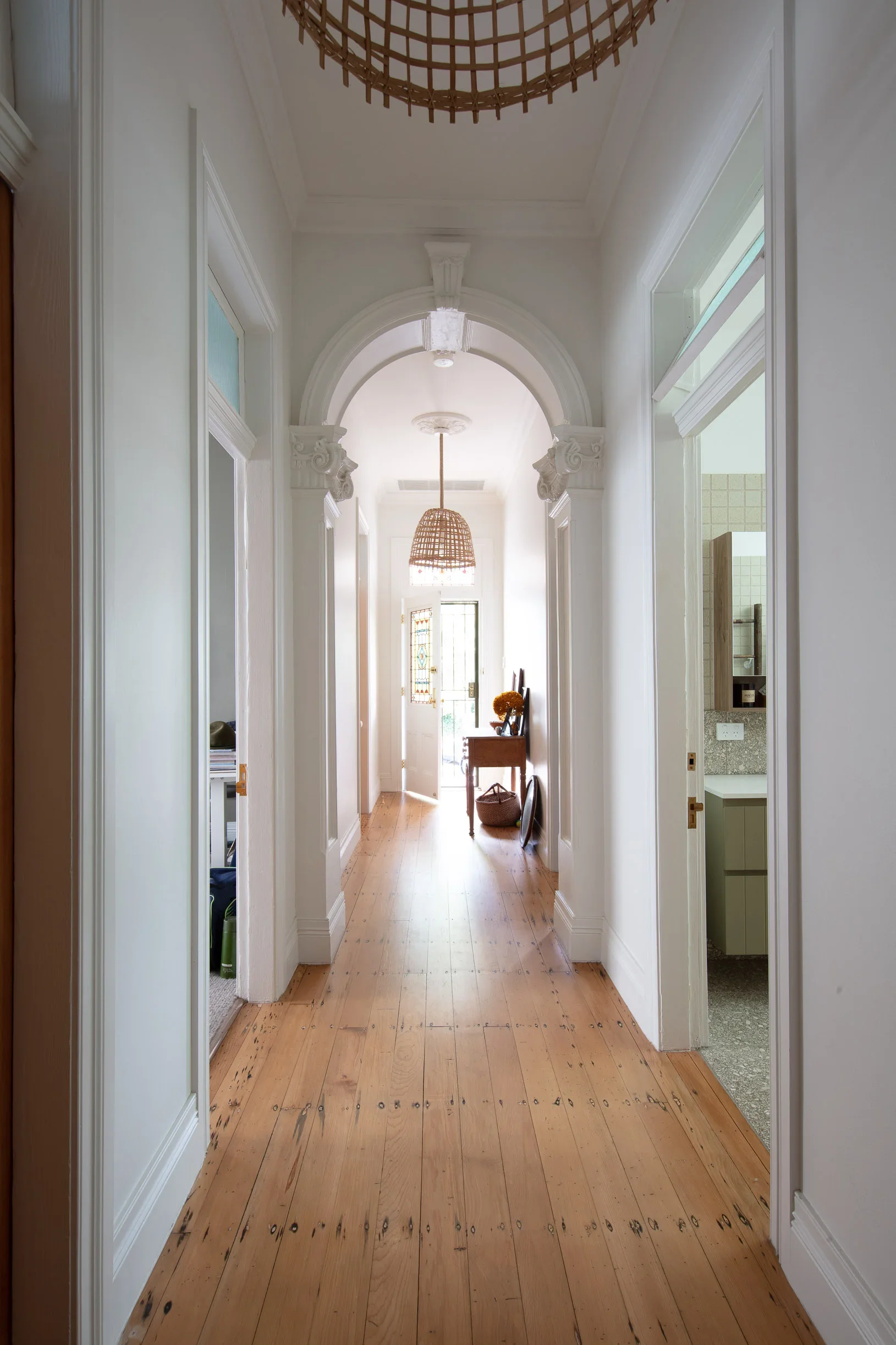
The existing home had a quiet graciousness with generous hallways, decorative arches, and a sense of solidity that older homes so often hold. Rather than compete with this, the architectural response sought to extend its rhythm into the new addition through material continuity, human-scale detailing, and a calm, grounded palette.
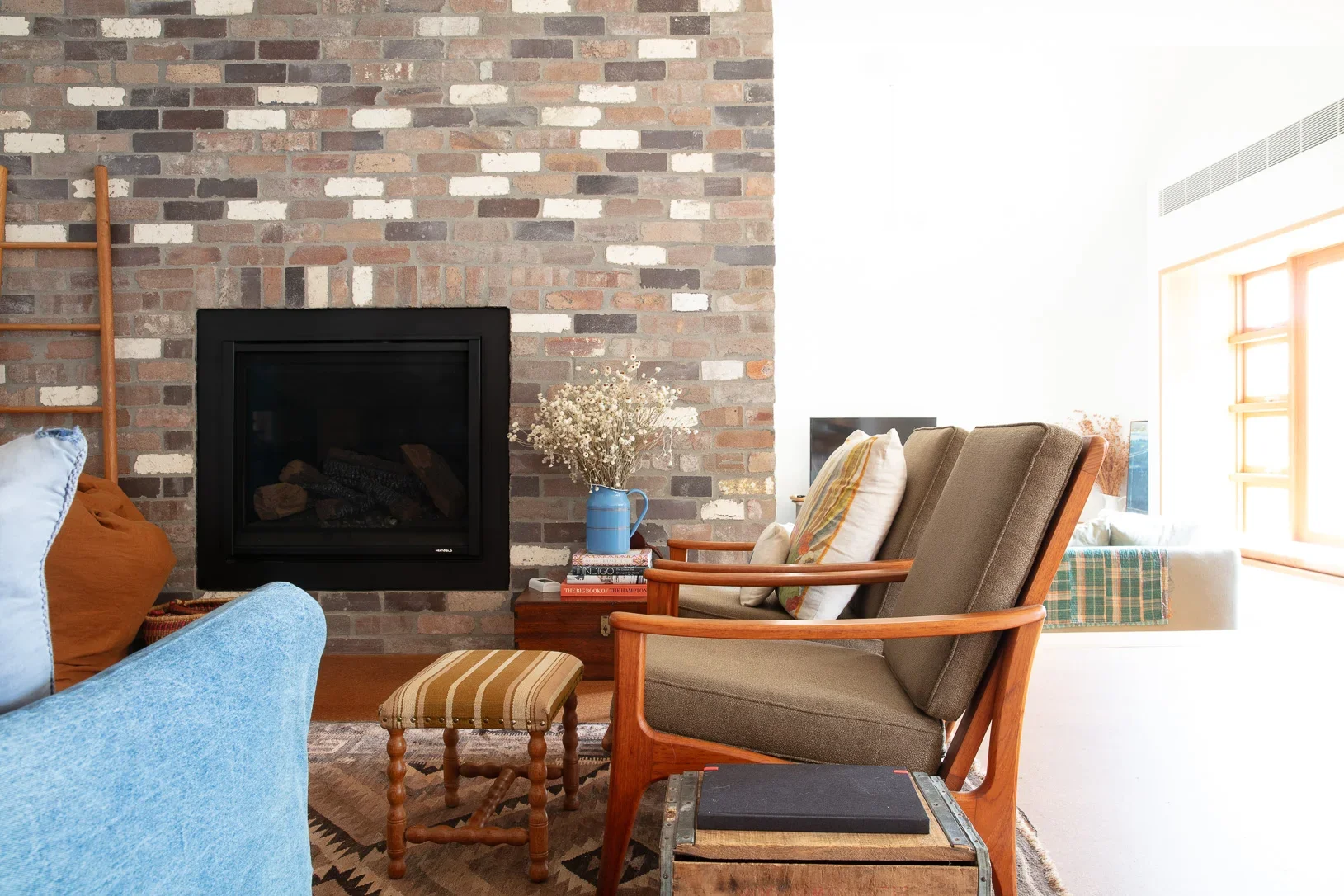
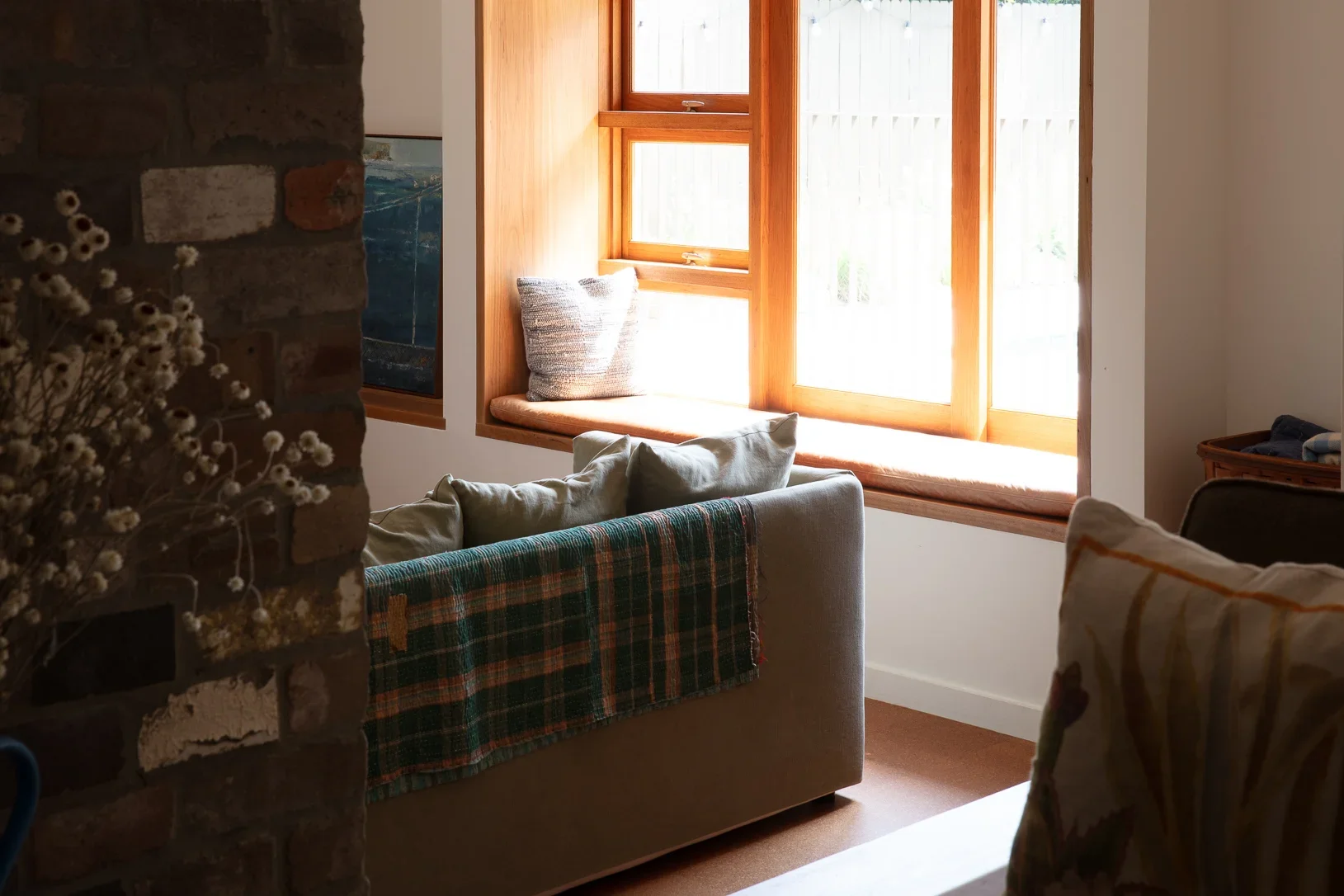
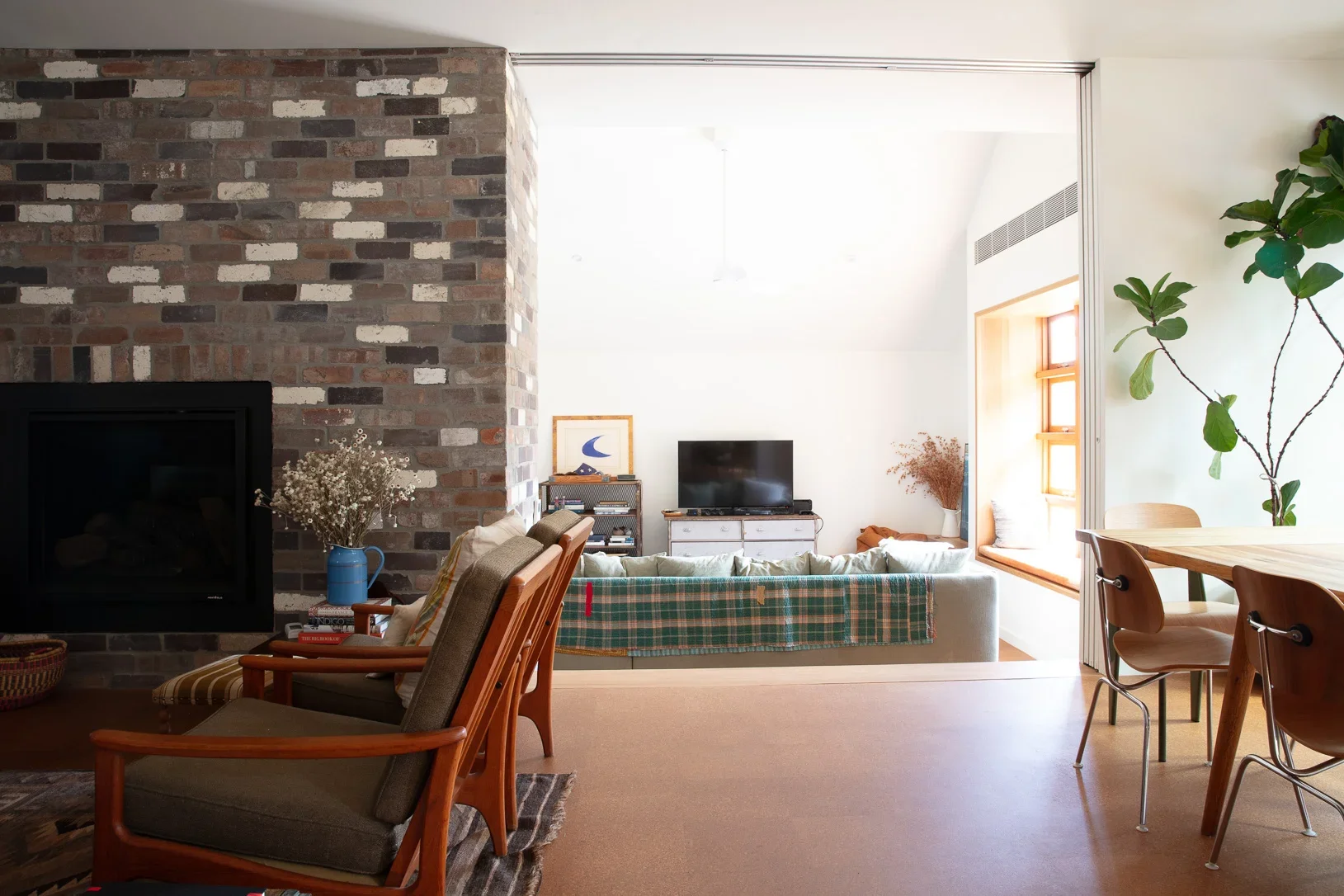
Timber, brick and painted surfaces become the connective tissue. Old and new never attempt to perfectly match; instead, they form a dialogue. The recycled brickwork, a patchworked with tones of deep umber, pale grey and soft cream appears in the fireplace, stairs and garden walls, deliberately referencing materials already present on the site. It becomes a visual thread that ties the home together from driveway to living room.
Material Continuity & Sustainable Detail
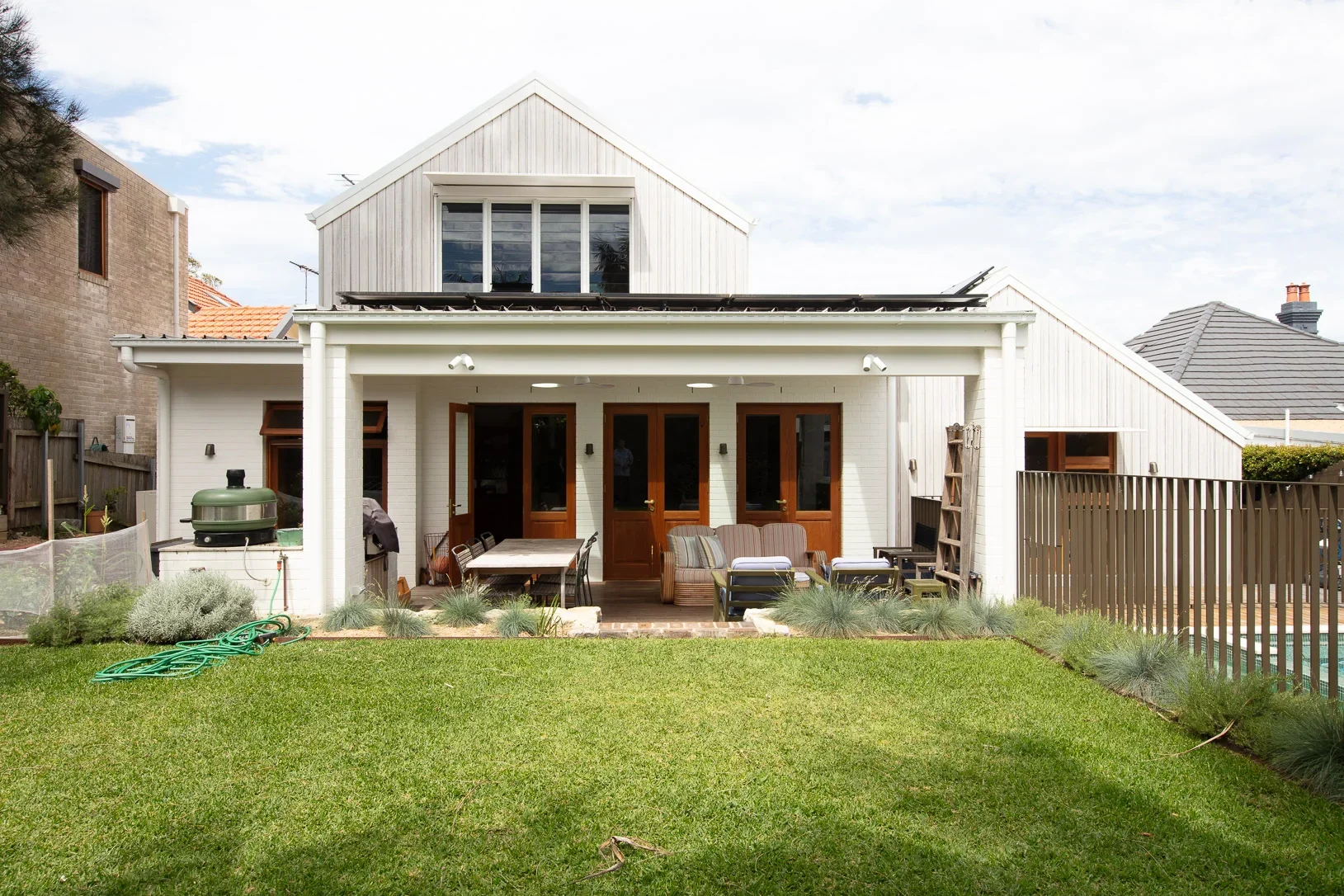
Similarly, the white-painted weatherboard and brick exterior is lifted by the introduction of NZ timber cladding, chosen for its sustainability and its capacity to gracefully weather and settle into the landscape over time. Even when brand new, it feels familiar, a continuation of an existing narrative rather than an interruption.
The palette throughout the home is rich, tactile and quietly robust. Designed not just for aesthetics but for longevity and lived-in life.
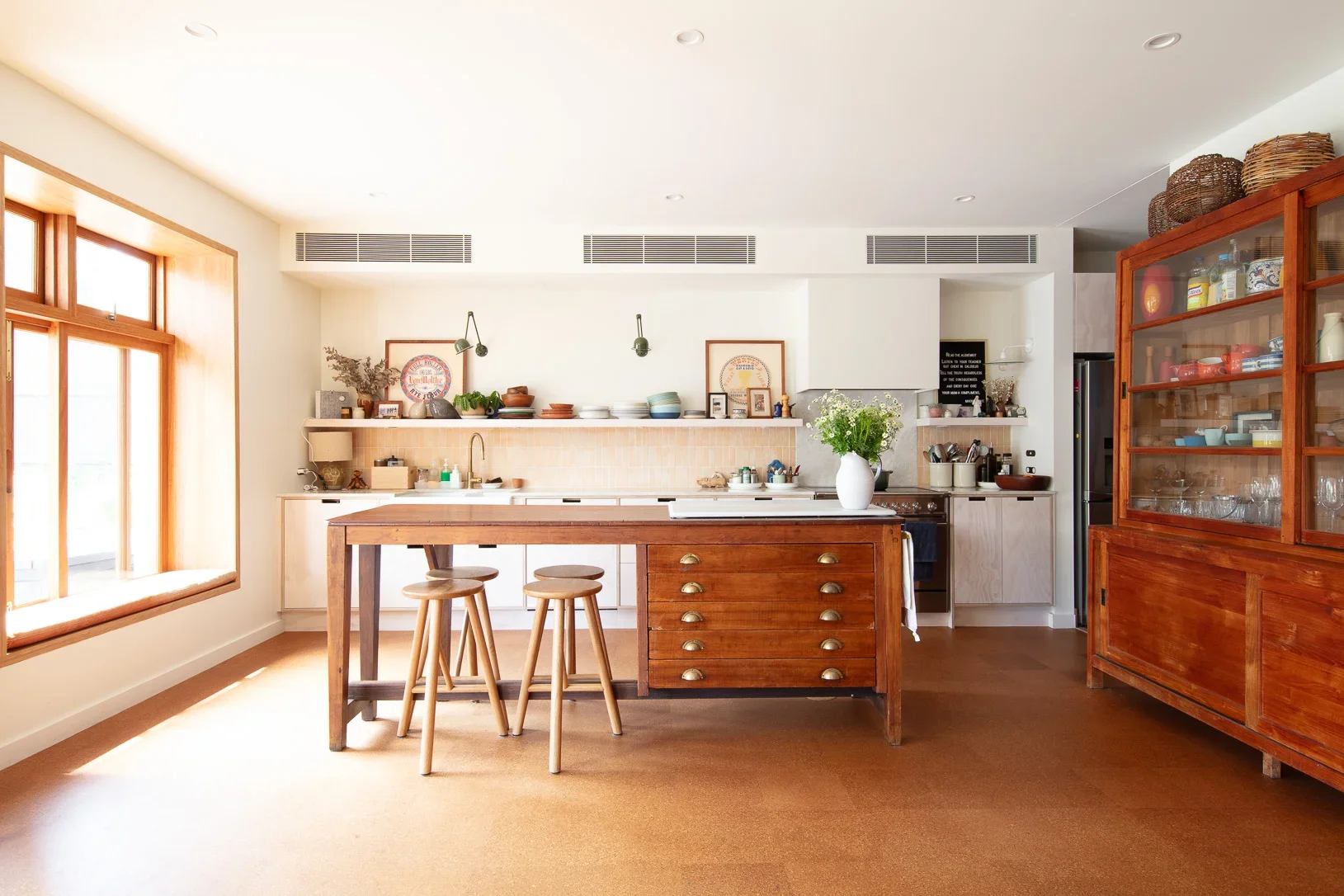
Some materials arrive fresh and contemporary, like the warm-toned timber joinery and the soft, earthy tiles that line the kitchen and wet areas. Others are proudly in their second life: recycled brick, vintage furniture, collected objects and fabrics. The interplay of new and old is intentional, offering a sense of depth that can’t be manufactured.
A Vintage Sensibility Reimagined
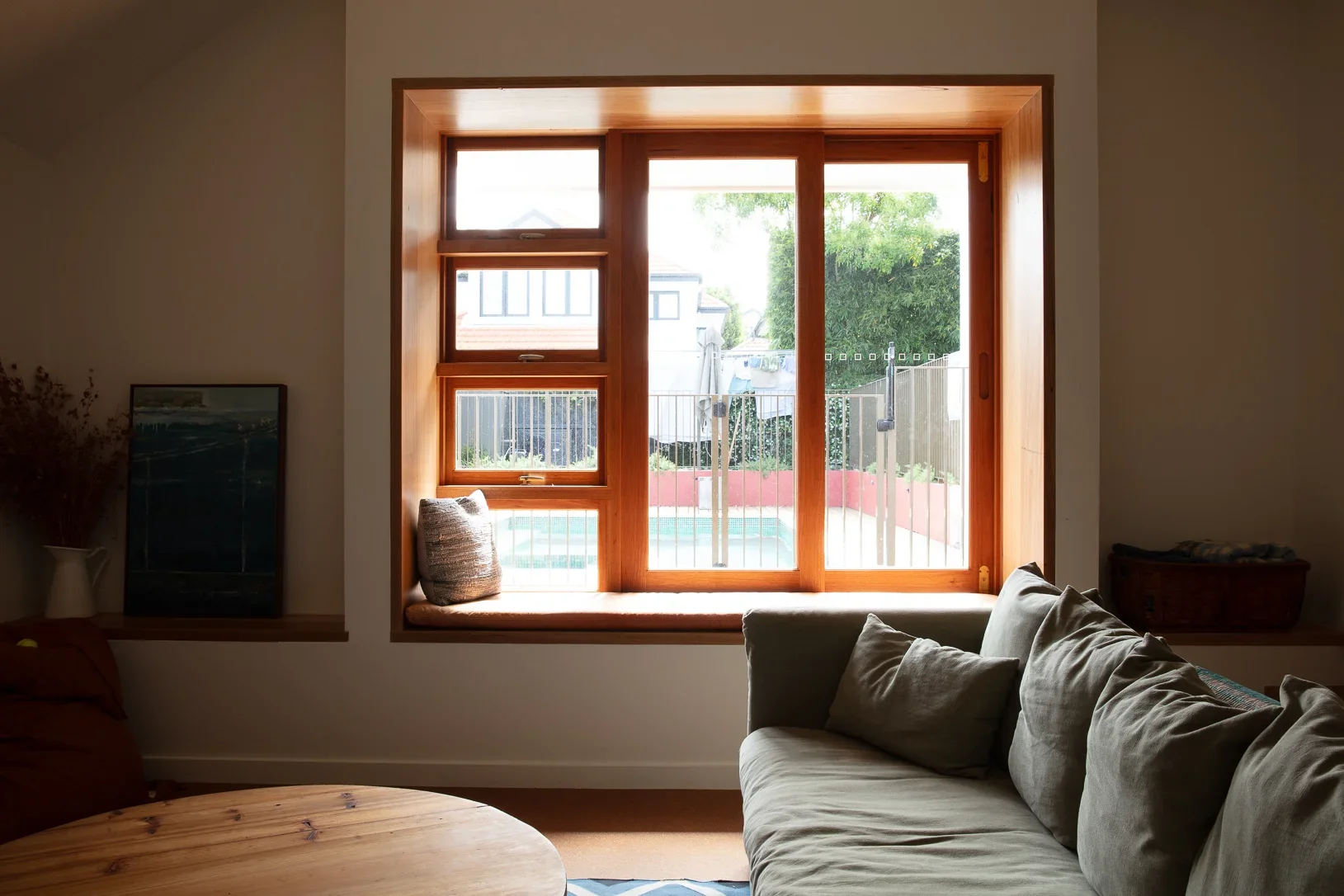
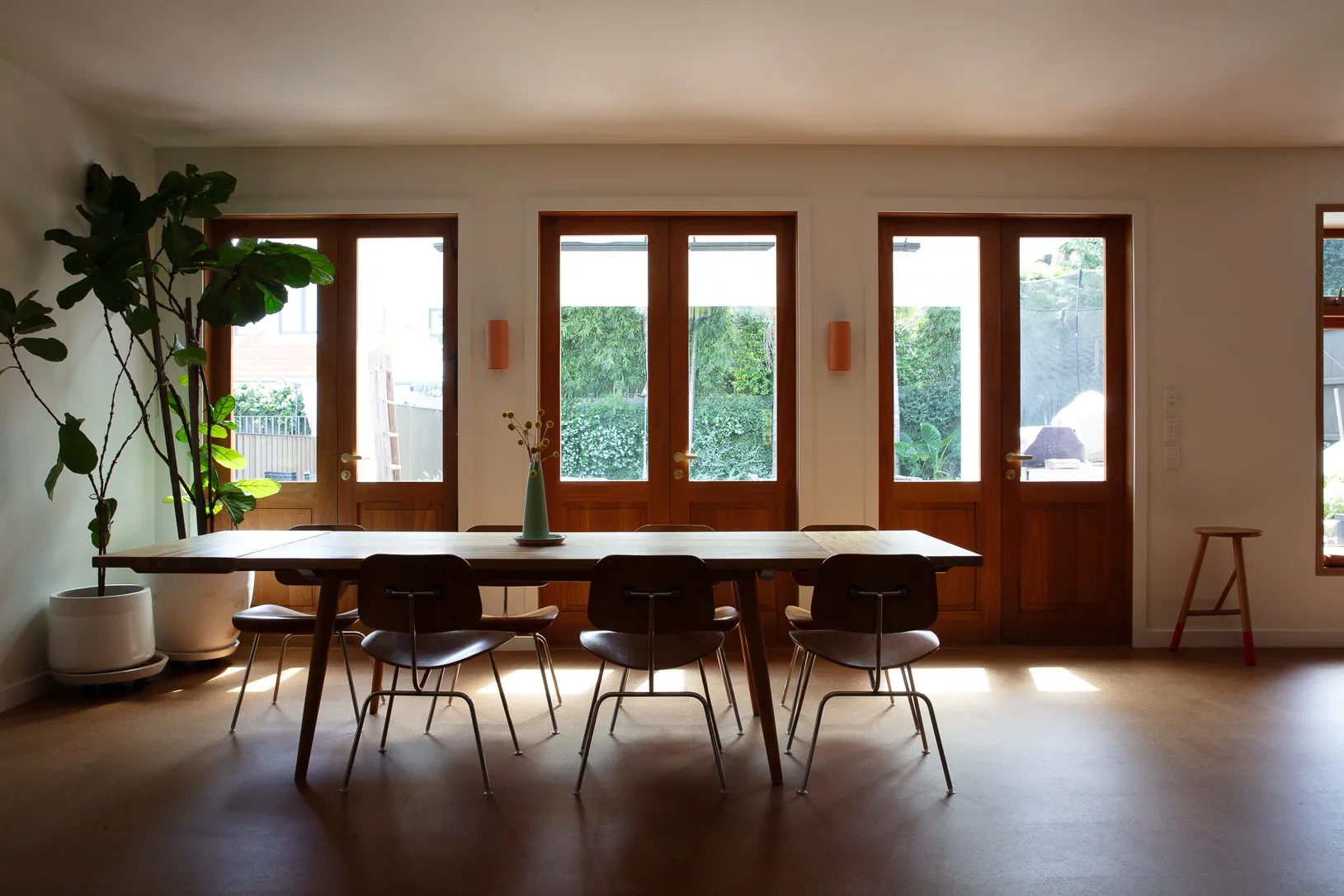
Inside, there is a distinct vintage sensibility. It draws from 1970s Australian homes, not as a nostalgic imitation, but as a thoughtful reinterpretation. You see it in the cork floors, the warm timber window reveals, the cosy built-in seating, the softened geometry of the furnishings and the joyful layering of artwork, books, ceramics and textiles. The interiors feel wonderfully personal, reflecting the clients’ and interior designer’s shared love of Australian design heritage.
The kitchen’s walk-in pantry, lined with terracotta tiles and vivid red shelving, captures this sensibility perfectly. It feels honest and utilitarian in the best possible way. A working space filled with personality, memories and the daily rhythm of family life.
Designed for Real Family Life
Every decision in the design prioritised real family life. This is not a home to be tiptoed around. It is a house for hosting, for messy breakfasts, for kids tramping through in swimmers, for late-night conversations by the fire and for weekend-long celebrations.
The central living space, anchored by the recycled brick fireplace, becomes the heart of the home. Its scale is generous but grounded by natural materials and soft, filtered light. Large timber-framed windows create a deep, cushioned ledge looking out to the pool. A favourite perch for reading, lounging or watching the kids swim.
The dining area opens seamlessly to the garden, framed by a series of French doors that let sunlight fall deep into the space. Combined with the lush planting that wraps the home, the transition from indoors to outdoors is gentle, calm and wonderfully textural.
Upstairs Retreat & Landscape Connection
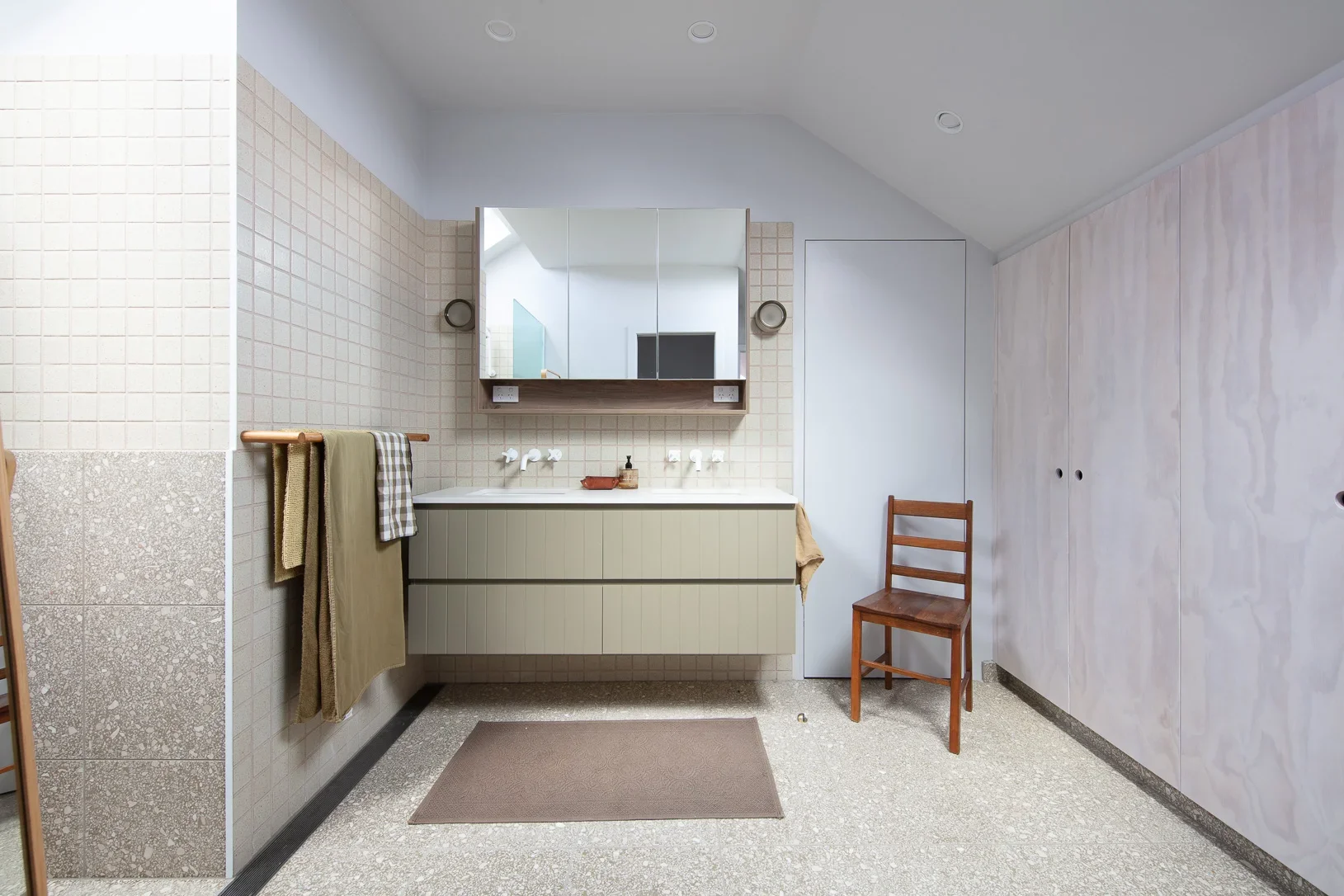
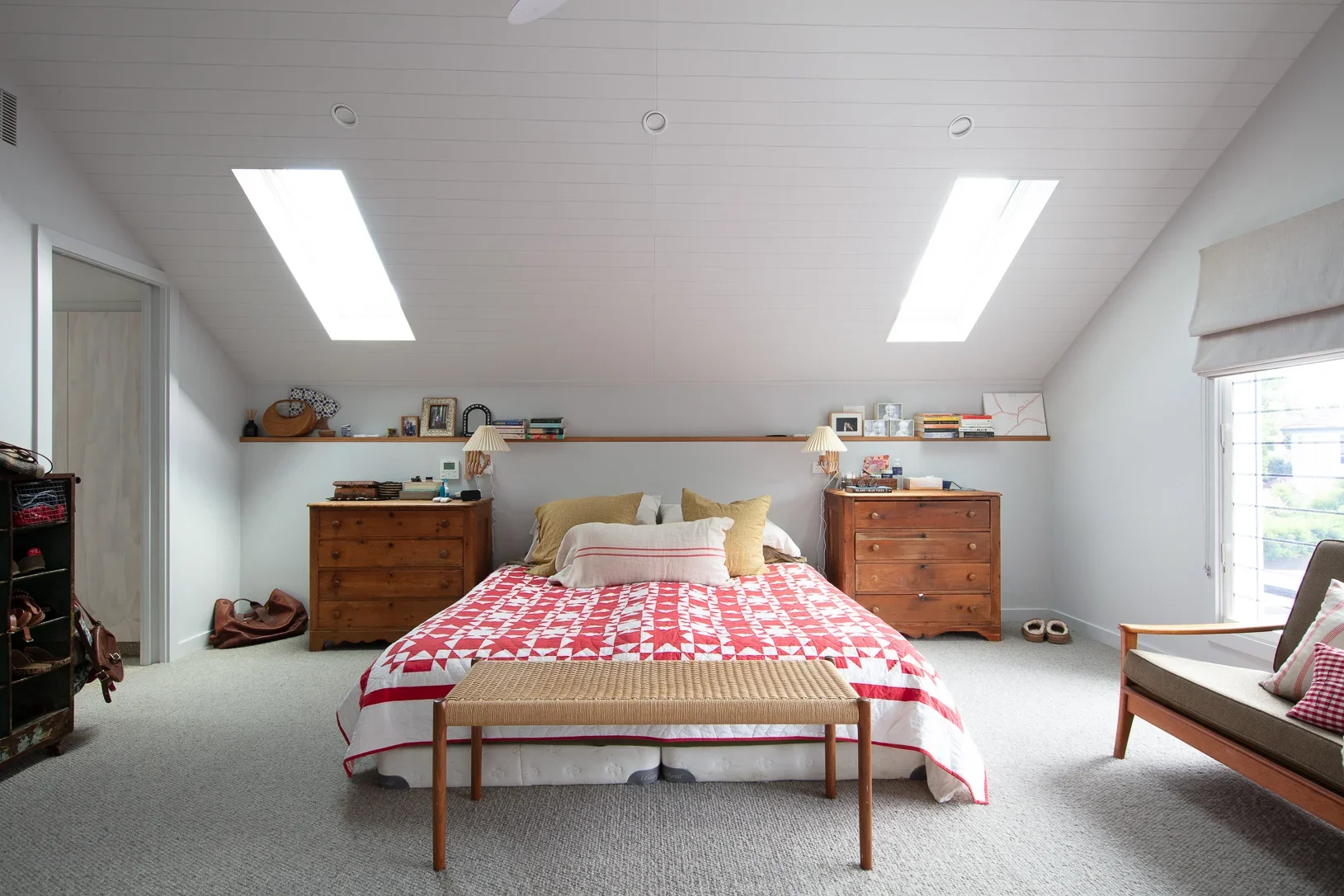
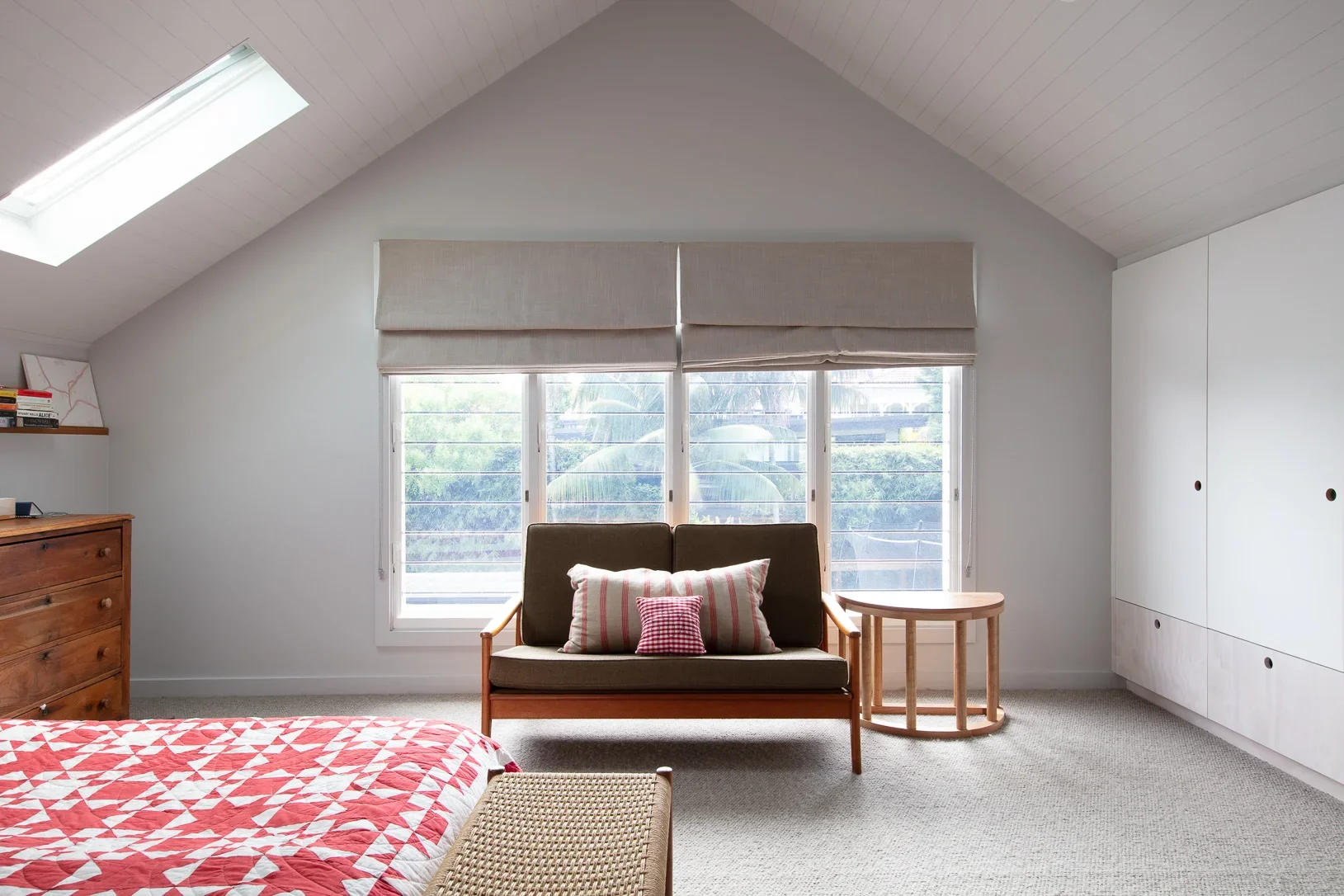
Upstairs, the master suite feels like a retreat. High, pitched ceilings capture light from dual skylights, while layered joinery and soft carpeting create a space that is both expansive and intimate. The bathroom carries through the tactile palette. Mosaic tiles, terrazzo flooring, timber accents forming a serene counterpoint to the more animated social spaces below.
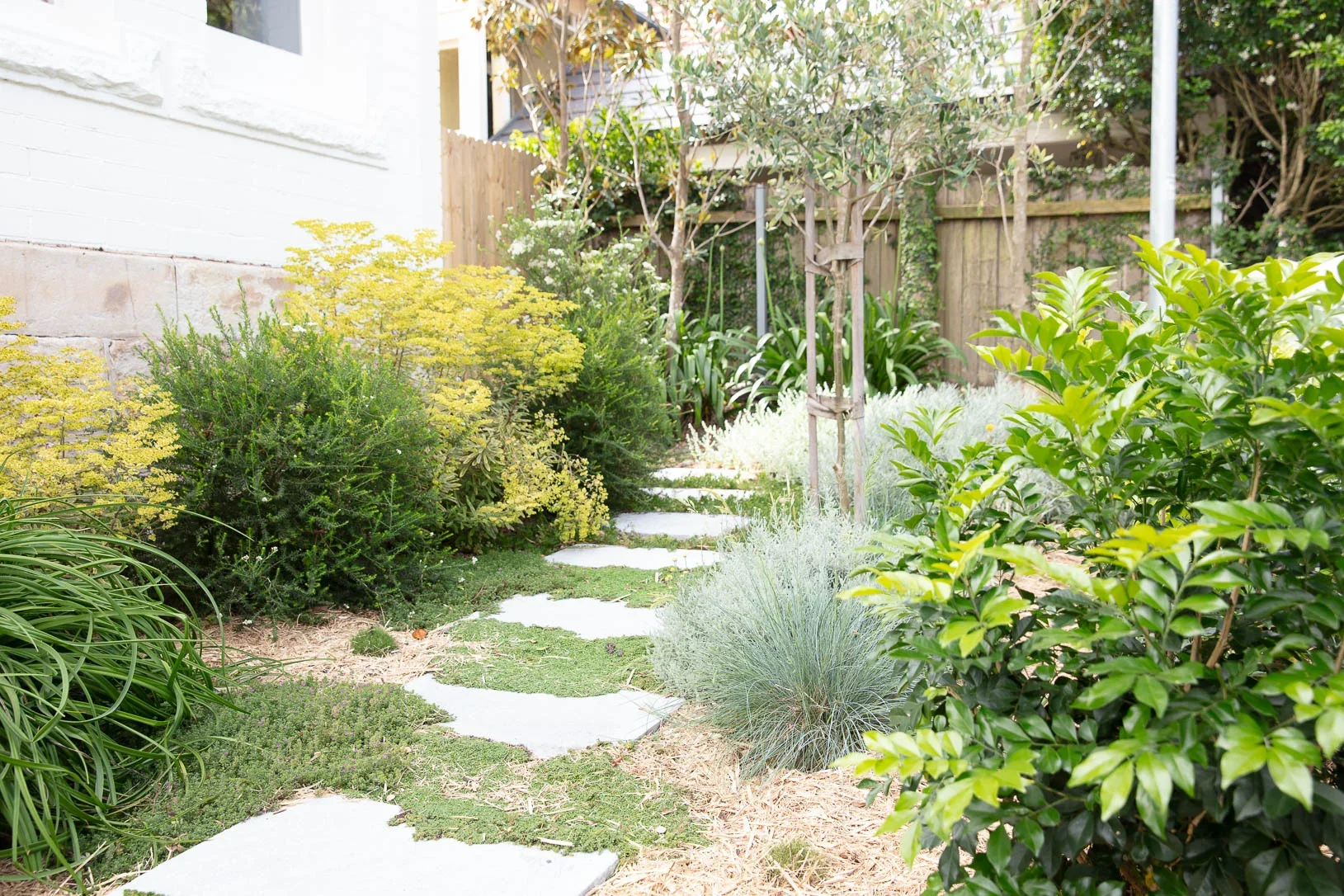
Externally, the landscape plays a critical role. Native and drought-tolerant planting beds the home into its sloping site, softening the architectural forms and creating a lush, sensory edge around the property. The stepping stones and planted pathways are designed to feel established from day one. Slightly wild, always green, quietly structured.
The garden and house work together, blurring boundaries and giving the property a sense of belonging. It feels lived-in, not staged. Familiar, not contrived.
A House for Living
Perhaps the most defining aspect of the Mosman House is that it refuses to be a display home. Nothing is too precious to touch. Nothing is overly finished or artificially perfected. It is, instead, a home designed for people, for their growth, their mess, their laughter, their history, and for everything that will happen here long after the architects leave.
This project celebrates continuity rather than contrast. It protects memory while enabling evolution. It brings together sustainable materials, thoughtful planning and a deeply personal interior sensibility to create a place that feels both grounded and joyfully alive.
It is a house for living.
A house for family.
A house that is now ready for its next chapter.
Contact us.
Unit 9, 2-8 Campbell Street
Artarmon NSW 2064
ABN: 72 615 066 736
Nominated Architect: Eliza Patterson NSWARB# 11016
Builders Licence No: 317471C